O My Servants, I Have Forbidden Oppression: Hadith 24
“I have forbidden oppression for Myself”: the hadith qudsi of Abu Dharr (Sahih Muslim 2577a, Hadith 24 of an-Nawawi), its meaning and lessons.
“I have forbidden oppression for Myself”: the hadith qudsi of Abu Dharr (Sahih Muslim 2577a, Hadith 24 of an-Nawawi), its meaning and lessons.
Purity is half of faith (Sahih Muslim 223, Hadith 23 of an-Nawawi): what it means, with prayer as light, charity as proof and patience as radiance.
The path to Jannah hadith (Sahih Muslim 15c, Hadith 22 of an-Nawawi): the obligatory prayers, Ramadan, halal and haram, and what it means for us.
Say I believe in Allah, then be steadfast: Hadith 21 of an-Nawawi (Sahih Muslim 38) on istiqamah: what it means and how to stay steadfast every day.
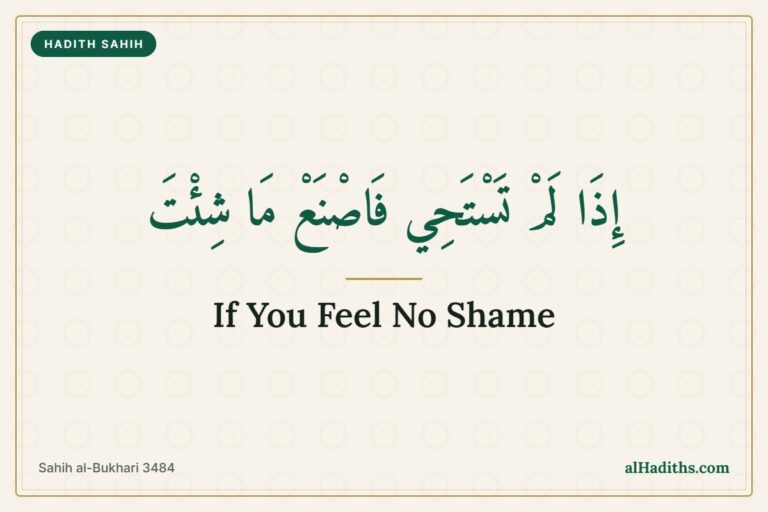
The Prophet ﷺ said: if you feel no shame, then do as you wish. Hadith 20 of an-Nawawi on haya (modesty), what it means and how to live by it.
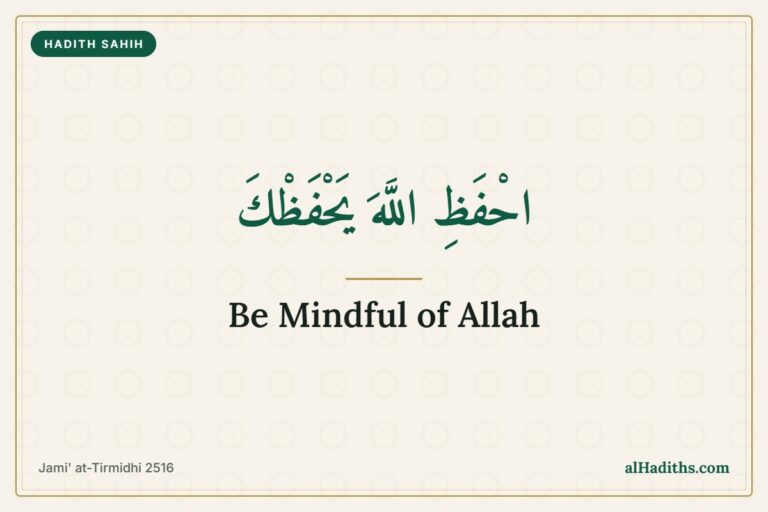
The Prophet ﷺ taught Ibn ‘Abbas: be mindful of Allah and He will protect you; ask Allah alone. Hadith 19 of an-Nawawi and what it means for us.
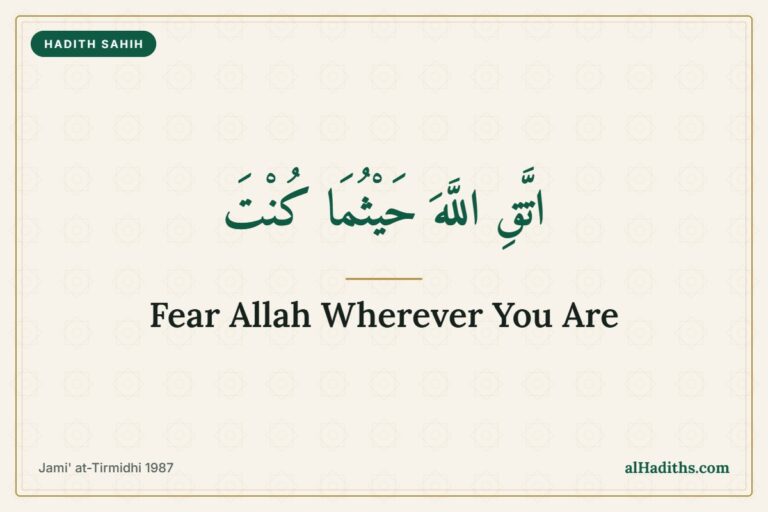
The Prophet ﷺ said: fear Allah wherever you are, follow a bad deed with a good one, and treat people well. Hadith 18 of an-Nawawi, explained simply.
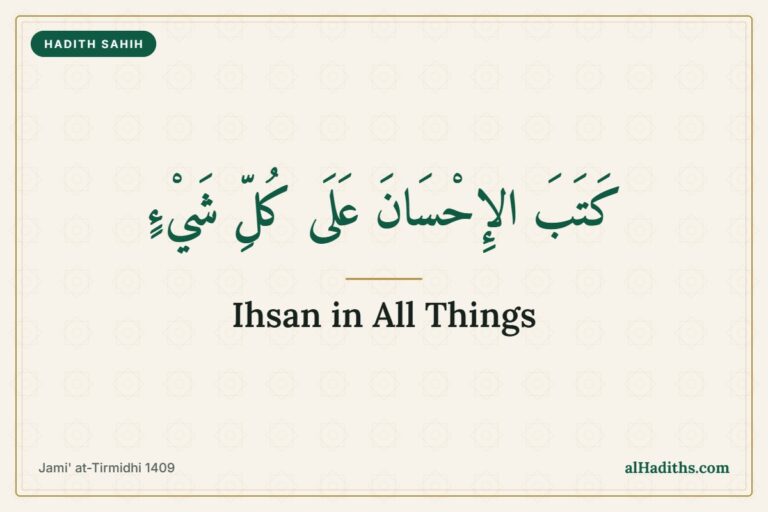
The Prophet ﷺ said Allah has prescribed ihsan, excellence and kindness, in all things. Hadith 17 of an-Nawawi: its meaning and how to live by it.
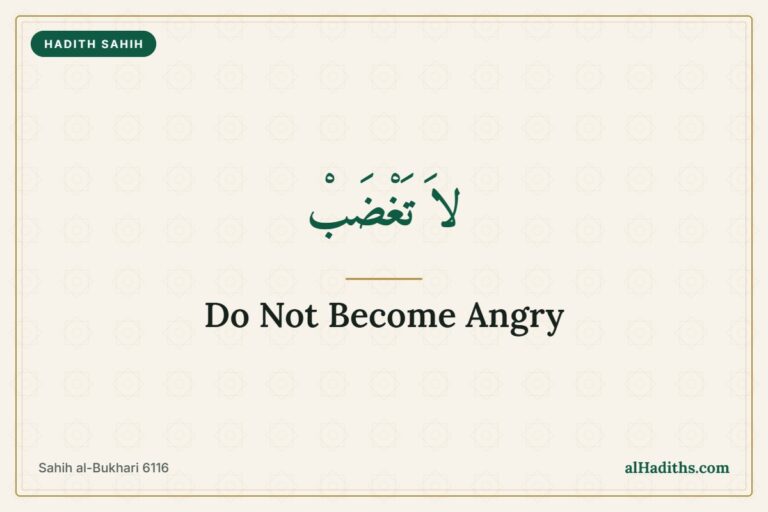
A man asked the Prophet ﷺ for advice and was told: do not become angry. Hadith 16 of an-Nawawi, what it means, and what to do when anger comes.