Contents
Every week a “hadith” arrives in a family group chat: a Friday forward, a dua for a special night, a famous saying about mothers or knowledge. Some are authentic. Many are a weak hadith, or have no chain at all. This page gathers our series on these popular narrations, each one checked against its sources, with its grade, the grader and an authentic alternative.
Al-Mughira (may Allah be pleased with him) heard the Prophet ﷺ say:
إِنَّ كَذِبًا عَلَىَّ لَيْسَ كَكَذِبٍ عَلَى أَحَدٍ، مَنْ كَذَبَ عَلَىَّ مُتَعَمِّدًا فَلْيَتَبَوَّأْ مَقْعَدَهُ مِنَ النَّارِ
“Ascribing false things to me is not like ascribing false things to anyone else. Whosoever tells a lie against me intentionally then surely let him occupy his seat in Hell-Fire.”
Sahih al-Bukhari 1291 · Narrated by Al-Mughira · Translation adapted from Sunnah.com
That warning is why we check before we quote. Abu Hurayrah (may Allah be pleased with him) narrated a second hadith that speaks to every forwarded message:
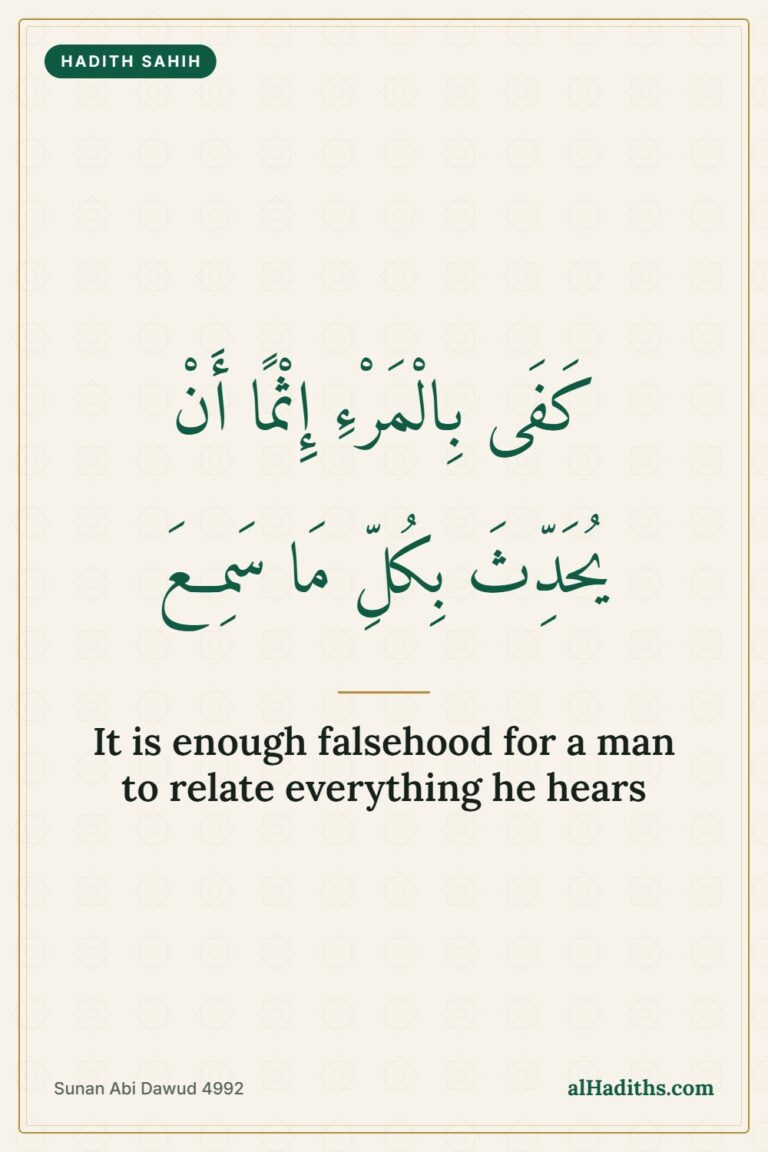
كَفَى بِالْمَرْءِ إِثْمًا أَنْ يُحَدِّثَ بِكُلِّ مَا سَمِعَ
“It is enough falsehood for a man to relate everything he hears.”
Sunan Abi Dawud 4992 · Sahih (al-Albani) · Narrated by Abu Hurayrah · Translation from Sunnah.com
The Arabic word here is ithm, sin: passing on everything we hear, without checking, is enough to earn a sin. The articles below follow one path: special months and nights, sayings people quote, and duas people share.
Special months, nights and days
- Rajab Month in Islam: what is authentic about Rajab and what is weak
- Shab e Barat (15th Sha‘ban): the night of mid-Sha‘ban, checked narration by narration
- Ramadan Hadith: authentic and weak hadith about the blessed month
- Jummah Mubarak Hadith: Friday forwards that aren’t authentic, and what is
Sayings people quote
- Paradise Lies at the Feet of Your Mother: is it a hadith, and what is authentic about mothers
- Seek Knowledge Even in China: the famous line checked, and the authentic hadith on knowledge
Duas people share
- Dua for Looking in the Mirror: the popular wording and its grade
- Dua for New Moon: the crescent moon dua and its grading
Latest weak hadith articles
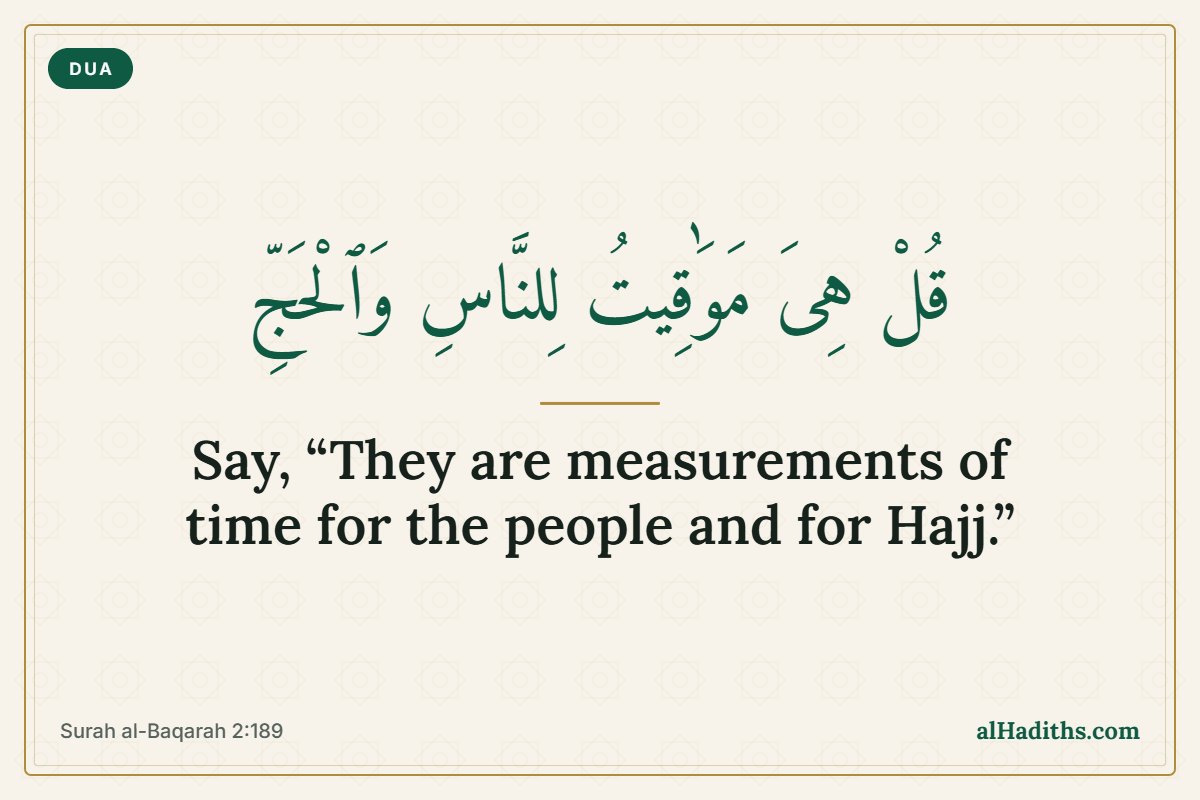
Dua for New Moon: Is the Crescent Moon Dua Authentic?
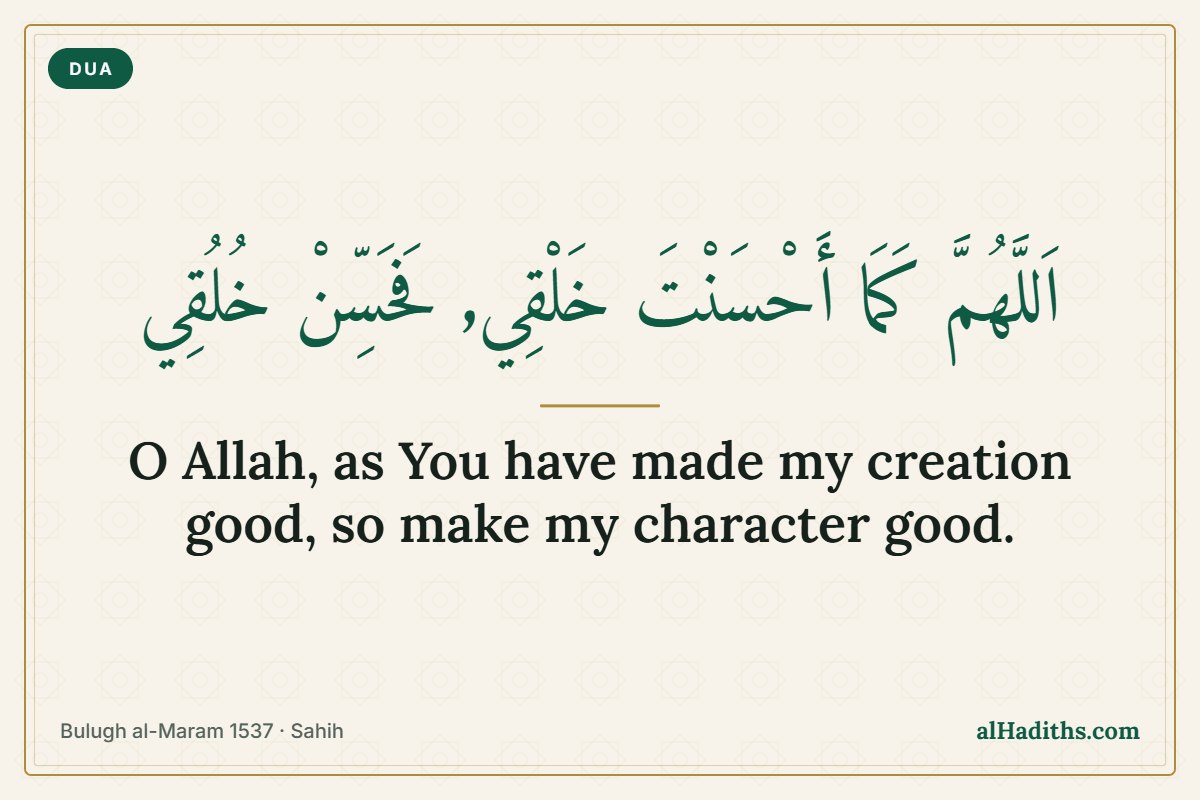
Dua for Looking in the Mirror: Is It Authentic?
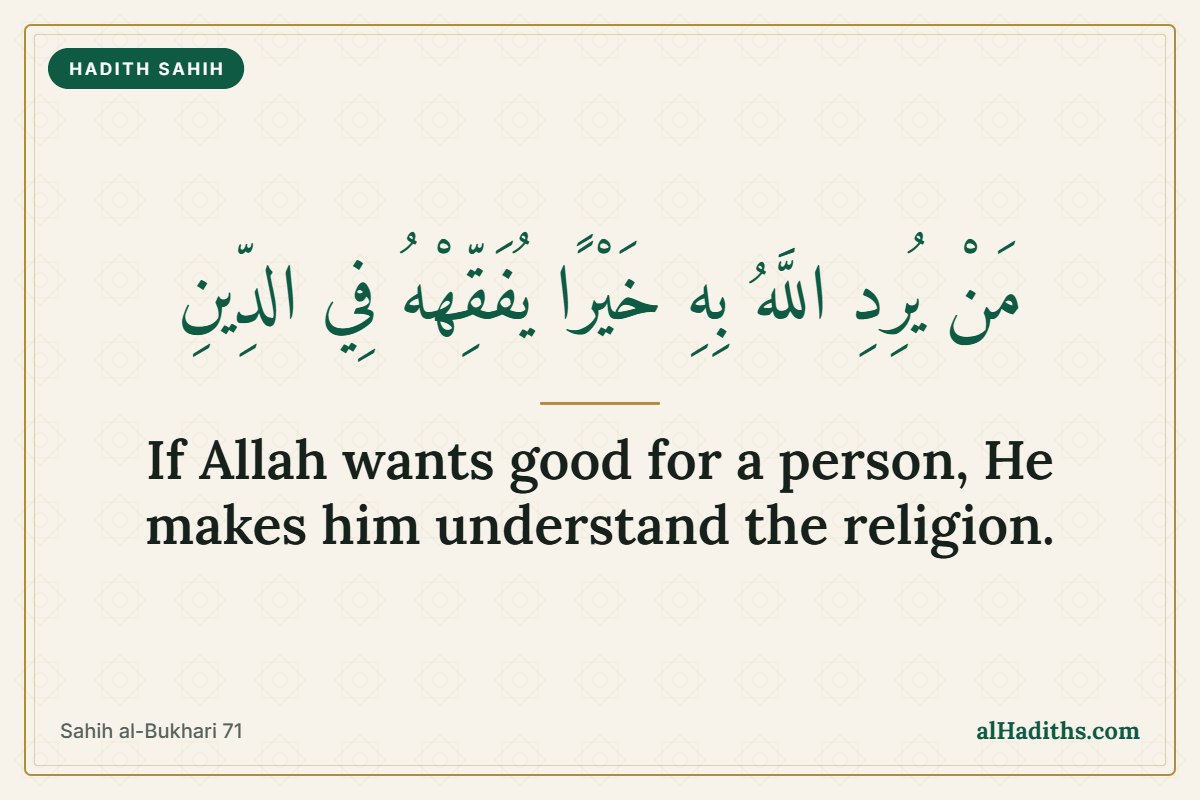
Seek Knowledge Even in China: Is This Hadith Authentic?
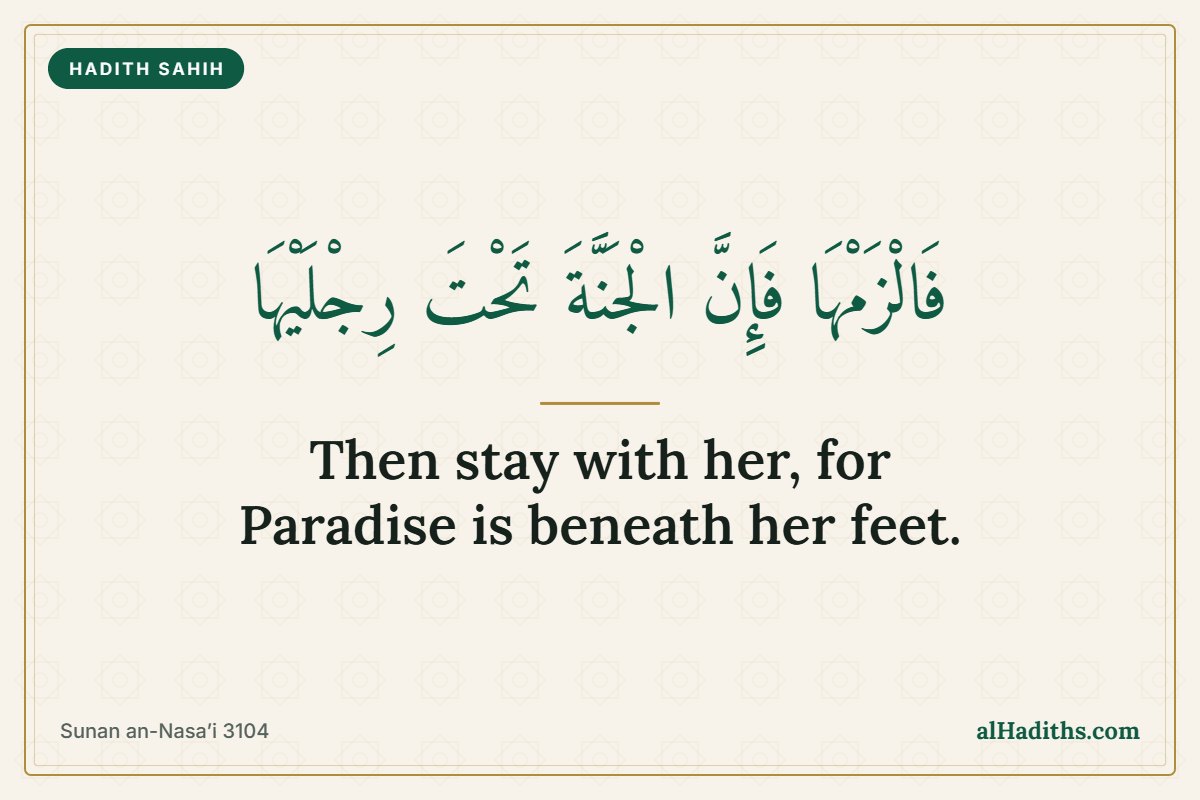
Paradise Lies at the Feet of Your Mother: Is It a Hadith?
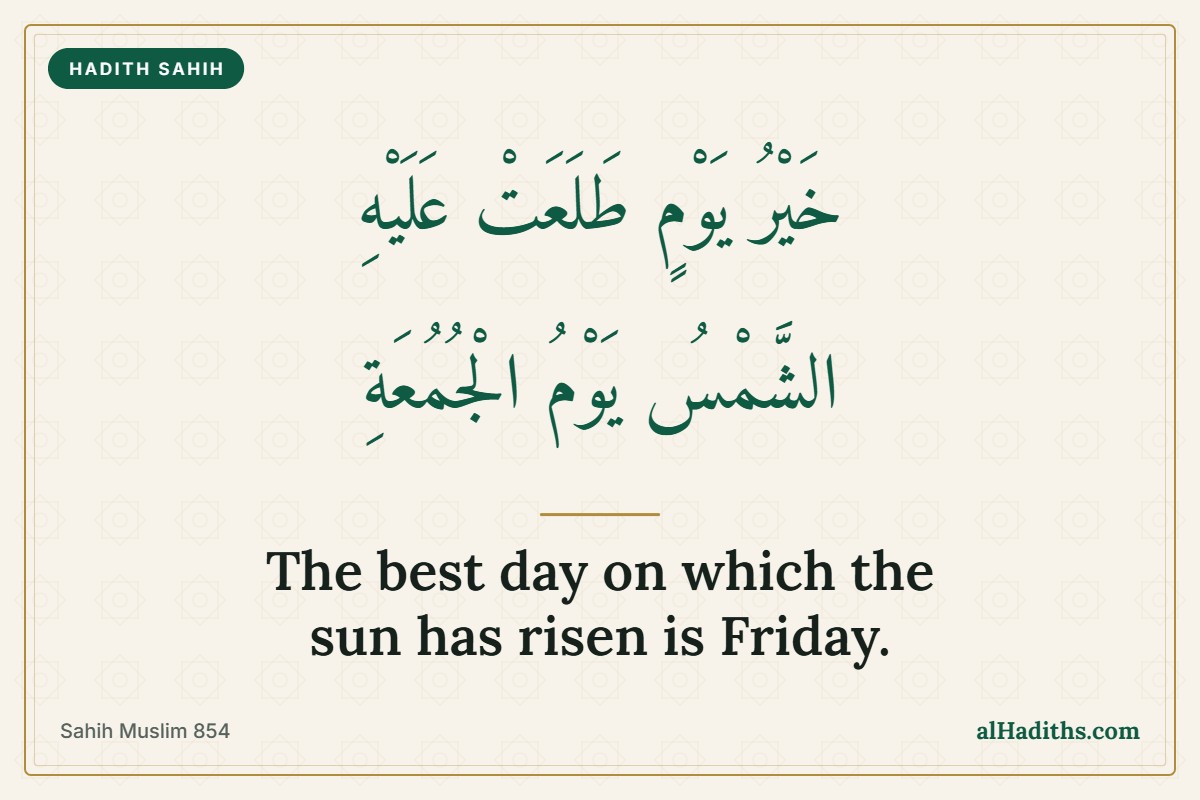
Jummah Mubarak Hadith: Friday Forwards That Aren’t Authentic
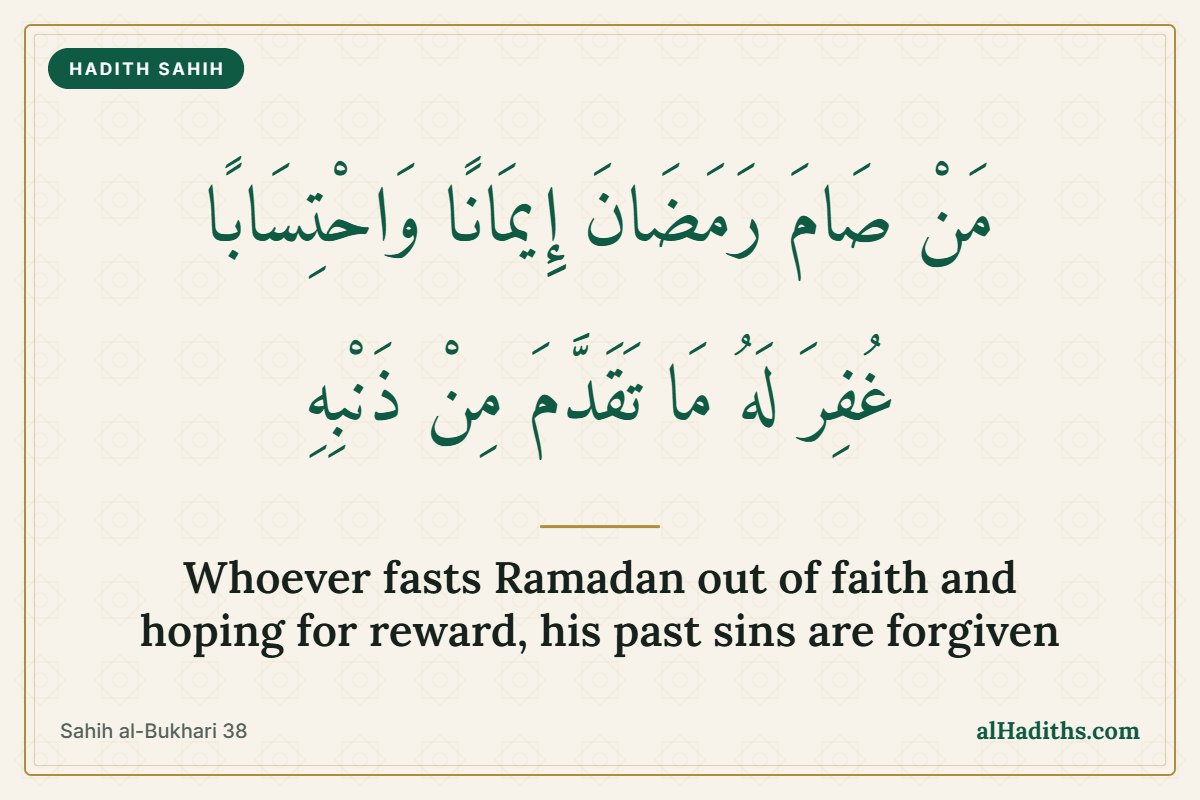
Ramadan Hadith: What Is Authentic and What Is Weak
New weak hadith articles appear here as they are published. To browse all of them, see every article in the Weak Hadith series.
How we grade a hadith
- Sahih (sound) and Hasan (good) hadith can be acted on, and they are the only ones we explain with an Arabic card.
- Da‘if (weak) narrations are named with their grader, labelled clearly and given without an Arabic card.
- When graders differ, we name each grade and add an open note on the grading, with links.
- Every grade is checked on Sunnah.com, and re-checked when an article is refreshed.
To learn the terms, read What is a Sahih hadith? and our guide to the hadith books.
Questions people ask
What is a weak hadith?
A weak (da‘if) hadith is a narration whose chain or text falls short of the standards for an authentic hadith, for example because a narrator is unreliable or a link in the chain is missing. Hadith scholars grade each narration, and graders sometimes differ.
Can I share a weak hadith?
Scholars differ on using weak narrations, for example for encouraging good deeds, and on the conditions for doing so. Our approach is simple: we label weak narrations clearly and share an authentic alternative. For a ruling, ask a qualified scholar.
How can I check if a hadith is authentic?
Ask for the collection and number, then look it up on Sunnah.com, where most hadith show a grade and the scholar who gave it. On this site you can also search a reference such as “Bukhari 1291” to find our articles that cite it.
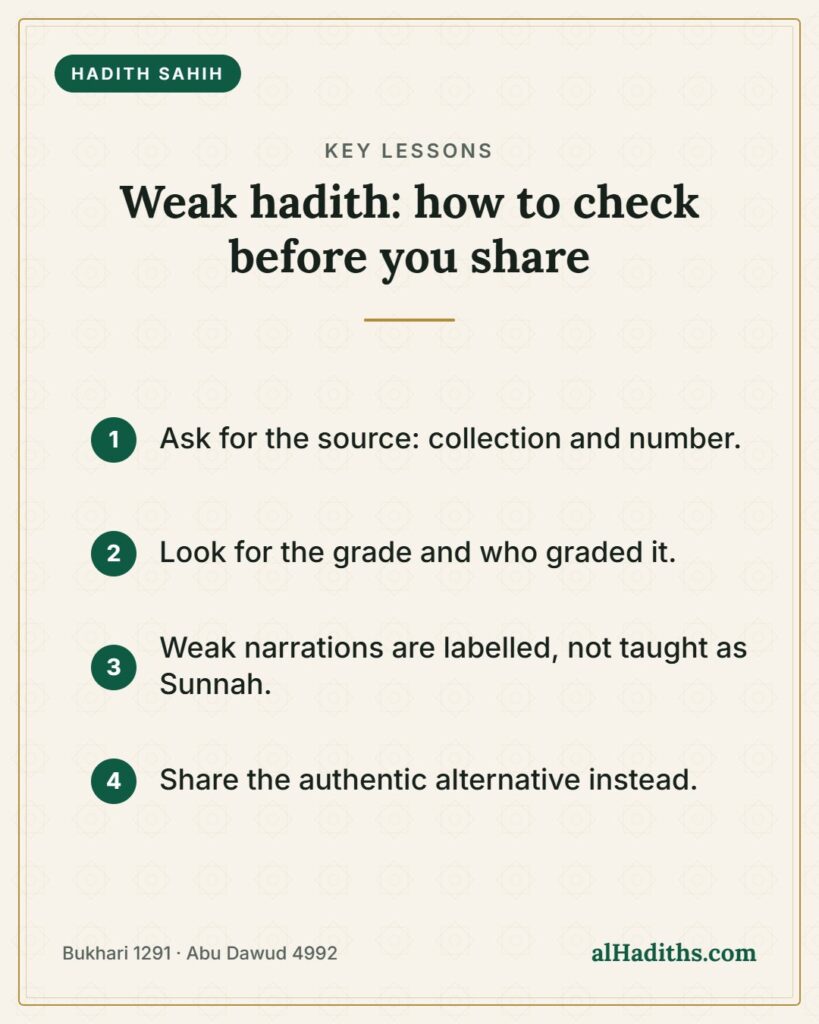
Next time a hadith arrives in your group chat, ask one gentle question before you forward it: “Where is it from?” That question protects the words of the Prophet ﷺ.
Save this to Pinterest so you can check a forwarded hadith before you share it
Share the reward. Send this article to someone who needs it today — teaching a hadith or dua can become a lasting good deed for you, in shaa Allah.