Ismail in Islam: 6 Authentic Hadith About Prophet Isma’il
Contents
Most of us first meet Prophet Isma’il as a baby in a dry valley, with his mother running between two hills. That memory is right, but the authentic hadith give us much more. This guide to Ismail in Islam gathers six authentic narrations about him: his mother’s trust, the gift of Zamzam, the day he helped his father build the Kaaba, his skill with the bow, and why the Prophet ﷺ himself is counted among the children of Isma’il.
At a glance
- Hadith: 6, from Sahih al-Bukhari and Sahih Muslim, plus 2 Quran verses
- Grade: Sahih (Bukhari and Muslim)
- Prophet: Isma’il, son of Ibrahim (peace be upon them), Quran 19:54
- Topic: Hajar, Zamzam, the Kaaba, archery and the Prophet’s ﷺ lineage
- One thing today: Before a hard decision, say: “Allah will not neglect me,” and then do your part
1. Hajar’s trust: “Then He will not neglect us”
Ibn ‘Abbas (may Allah be pleased with him) narrated the long story of Isma’il and his mother. It begins with Ibrahim leaving them near the place of the House, with only a bag of dates and a little water.
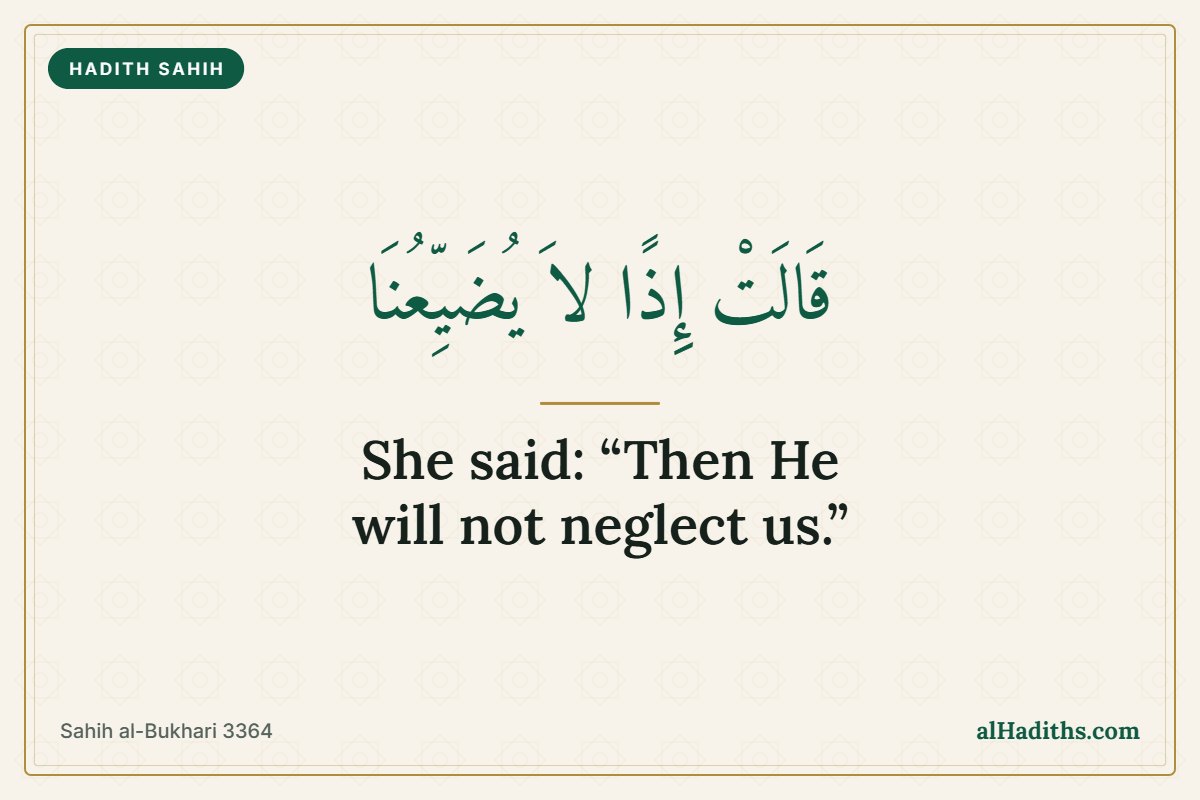
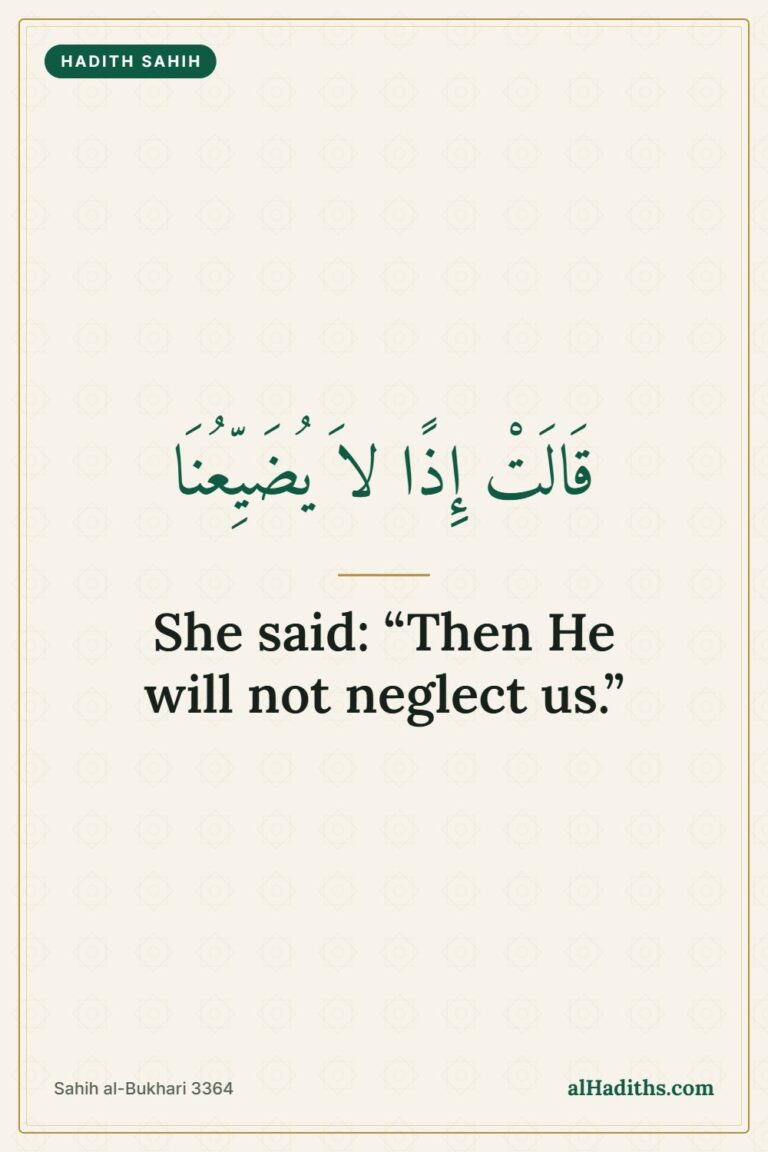
ثُمَّ قَفَّى إِبْرَاهِيمُ مُنْطَلِقًا فَتَبِعَتْهُ أُمُّ إِسْمَاعِيلَ فَقَالَتْ يَا إِبْرَاهِيمُ أَيْنَ تَذْهَبُ وَتَتْرُكُنَا بِهَذَا الْوَادِي الَّذِي لَيْسَ فِيهِ إِنْسٌ وَلاَ شَىْءٌ فَقَالَتْ لَهُ ذَلِكَ مِرَارًا، وَجَعَلَ لاَ يَلْتَفِتُ إِلَيْهَا فَقَالَتْ لَهُ آللَّهُ الَّذِي أَمَرَكَ بِهَذَا قَالَ نَعَمْ. قَالَتْ إِذًا لاَ يُضَيِّعُنَا
Then Ibrahim set off, and the mother of Isma’il followed him, saying, “O Ibrahim! Where are you going, leaving us in this valley where there is no one and nothing?” She said this to him many times, but he did not turn to her. Then she asked him, “Is it Allah who has ordered you to do this?” He said, “Yes.” She said, “Then He will not neglect us.”
Sahih al-Bukhari 3364 · Narrated by Ibn ‘Abbas · Translation adapted from Sunnah.com
Hajar did not have water, company or a plan. What she had was one question and one answer. Once she knew the command came from Allah, her worry turned into trust. Notice also that the hadith goes on: she did not sit and wait. When the water ran out she climbed Safa, ran through the valley to Marwa and searched seven times. The Prophet ﷺ said: “This is the sa’i of the people between them.”
Try this: next time you face a choice you cannot fully see through, ask “Is this what Allah wants from me?” If the answer is yes, take the step and keep working, like Hajar did.
2. Zamzam: water that began with a mother’s search
At the end of her seventh run, Hajar heard a voice and saw an angel at the place of Zamzam, digging until water came out. She hurried to hold it in with her hands. The Prophet ﷺ then said:
يَرْحَمُ اللَّهُ أُمَّ إِسْمَاعِيلَ لَوْ تَرَكَتْ زَمْزَمَ ـ أَوْ قَالَ لَوْ لَمْ تَغْرِفْ مِنَ الْمَاءِ ـ لَكَانَتْ زَمْزَمُ عَيْنًا مَعِينًا
“May Allah have mercy on the mother of Isma’il! If she had left Zamzam (or he said: if she had not scooped from the water), Zamzam would have been a spring flowing on the surface of the earth.”
Sahih al-Bukhari 3364 · Narrated by Ibn ‘Abbas · Translation adapted from Sunnah.com
The Prophet ﷺ makes dua for her before he says anything else. He is not blaming a thirsty mother; he is telling us what Zamzam could have been, with mercy in every word. In the same hadith the angel tells her not to fear being neglected, because this boy and his father would build the House of Allah here.
Try this: when you drink Zamzam, or even ordinary water, remember Hajar and say “May Allah have mercy on her,” as the Prophet ﷺ did.
3. Building the Kaaba together
Years later, Ibrahim came back and found Isma’il, now a grown man, sharpening his arrows under a tree near Zamzam. They greeted each other as a father and son do, and then this conversation took place:
ثُمَّ قَالَ يَا إِسْمَاعِيلُ، إِنَّ اللَّهَ أَمَرَنِي بِأَمْرٍ. قَالَ فَاصْنَعْ مَا أَمَرَكَ رَبُّكَ. قَالَ وَتُعِينُنِي قَالَ وَأُعِينُكَ. قَالَ فَإِنَّ اللَّهَ أَمَرَنِي أَنْ أَبْنِيَ هَا هُنَا بَيْتًا. وَأَشَارَ إِلَى أَكَمَةٍ مُرْتَفِعَةٍ عَلَى مَا حَوْلَهَا
Then he said, “O Isma’il, Allah has given me a command.” Isma’il said, “Then do what your Lord has commanded you.” Ibrahim said, “And will you help me?” He said, “I will help you.” Ibrahim said, “Allah has commanded me to build a house here,” and he pointed to a mound that was higher than the land around it.
Sahih al-Bukhari 3364 · Narrated by Ibn ‘Abbas · Translation adapted from Sunnah.com
Isma’il does not ask “why” or “what is in it for me”. His first words are “do what your Lord has commanded you”, and his second are “I will help you”. The hadith then describes him carrying the stones while his father built, and both of them praying the words the Quran records:
وَإِذْ يَرْفَعُ إِبْرَٰهِـۧمُ ٱلْقَوَاعِدَ مِنَ ٱلْبَيْتِ وَإِسْمَـٰعِيلُ رَبَّنَا تَقَبَّلْ مِنَّآ ۖ إِنَّكَ أَنتَ ٱلسَّمِيعُ ٱلْعَلِيمُ
And [mention] when Abraham was raising the foundations of the House and [with him] Ishmael, [saying], “Our Lord, accept [this] from us. Indeed, You are the Hearing, the Knowing.
Surah Al-Baqarah 2:127 · Translation: Saheeh International, from Quran.com
Try this: when your parents ask for help with something good, answer the way Isma’il did: “I will help you”, before any excuses.
4. Isma’il the archer
Salamah ibn al-Akwa’ (may Allah be pleased with him) said the Prophet ﷺ passed by men of the tribe of Aslam who were having an archery contest. He said:
ارْمُوا بَنِي إِسْمَاعِيلَ، فَإِنَّ أَبَاكُمْ كَانَ رَامِيًا ارْمُوا وَأَنَا مَعَ بَنِي فُلاَنٍ
“Shoot, O children of Isma’il, for your father was an archer. Shoot, and I am with Banu so-and-so.”
Sahih al-Bukhari 2899 · Narrated by Salamah ibn al-Akwa’ · Translation adapted from Sunnah.com
When one team stopped shooting because the Prophet ﷺ was on the other side, he said, “Shoot, and I am with all of you.” HadeethEnc (3559) explains that he was encouraging the Arabs to keep up a skill of their forefather Isma’il, who was a skilled archer. The first hadith above agrees: when Ibrahim returned, Isma’il was sharpening his arrows.
Try this: pick up one useful physical skill this year, and if your children compete, cheer for both teams like the Prophet ﷺ did.
5. The Prophet ﷺ, from the children of Isma’il
Wathilah ibn al-Asqa’ (may Allah be pleased with him) heard the Prophet ﷺ describe his own lineage:
إِنَّ اللَّهَ اصْطَفَى كِنَانَةَ مِنْ وَلَدِ إِسْمَاعِيلَ وَاصْطَفَى قُرَيْشًا مِنْ كِنَانَةَ وَاصْطَفَى مِنْ قُرَيْشٍ بَنِي هَاشِمٍ وَاصْطَفَانِي مِنْ بَنِي هَاشِمٍ
“Allah chose Kinanah from the descendants of Isma’il, chose Quraysh from Kinanah, chose Banu Hashim from Quraysh, and chose me from Banu Hashim.”
Sahih Muslim 2276 · Narrated by Wathilah ibn al-Asqa’ · Translation adapted from Sunnah.com
This links the two prophets of Makkah. The House that Isma’il helped build became the qiblah of the final Prophet ﷺ, who came from his own descendants. It also answers the dua of Ibrahim and Isma’il in the next verses of Surah al-Baqarah, asking Allah to raise a messenger from among their offspring.
Try this: when you face the qiblah today, remember that a father and son built it with their own hands, and pray for both of them.
6. A dua Ibrahim made for his sons
Ibn ‘Abbas (may Allah be pleased with him) said the Prophet ﷺ used to seek protection for his grandsons al-Hasan and al-Husain, and he said:
إِنَّ أَبَاكُمَا كَانَ يُعَوِّذُ بِهَا إِسْمَاعِيلَ وَإِسْحَاقَ، أَعُوذُ بِكَلِمَاتِ اللَّهِ التَّامَّةِ مِنْ كُلِّ شَيْطَانٍ وَهَامَّةٍ، وَمِنْ كُلِّ عَيْنٍ لاَمَّةٍ
“Your forefather used to seek protection for Isma’il and Ishaq with these words: I seek refuge in the perfect words of Allah from every devil and every poisonous creature, and from every evil eye.”
Sahih al-Bukhari 3371 · Narrated by Ibn ‘Abbas · Translation adapted from Sunnah.com
So these words go back to Ibrahim, who said them over Isma’il as a child, and the Prophet ﷺ kept the practice for his own grandsons. We explain how to say it for your children in our dua for protection of children.
Try this: say these words over your children tonight before they sleep.
Bringing it together: Ismail in Islam
The Quran sums up his character in one verse:
وَٱذْكُرْ فِى ٱلْكِتَـٰبِ إِسْمَـٰعِيلَ ۚ إِنَّهُۥ كَانَ صَادِقَ ٱلْوَعْدِ وَكَانَ رَسُولًا نَّبِيًّا
And mention in the Book, Ishmael. Indeed, he was true to his promise, and he was a messenger and a prophet.
Surah Maryam 19:54 · Translation: Saheeh International, from Quran.com
Reflection: every scene in these hadith shows a different kind of trust. A mother trusts Allah in an empty valley. A son trusts his father enough to say “I will help you” before hearing the whole plan. And Allah answers that trust with water that still flows, a House that is still visited, and a Messenger ﷺ born from that same family. None of them knew how their story would end. They simply did the next right thing.
Questions people ask
Who was Prophet Isma’il’s mother?
His mother was Hajar (Hagar). In Sahih al-Bukhari 3364 she is called “the mother of Isma’il”, and the hadith tells how she trusted Allah in the valley of Makkah and ran between Safa and Marwa searching for water.
Was Isma’il the son Ibrahim was told to sacrifice?
The Quran tells the story of the sacrifice in Surah as-Saffat (37:101–107) without naming the son. Many scholars held that it was Isma’il, while some early scholars said Ishaq. We did not find an authentic hadith of the Prophet ﷺ on Sunnah.com that names him, so we leave the details to the scholars of tafsir.
Is Isma’il mentioned in the Quran?
Yes. For example, Surah Maryam 19:54 says he was true to his promise and was a messenger and a prophet, and Surah al-Baqarah 2:127 describes him raising the foundations of the Kaaba with Ibrahim.
Key lessons
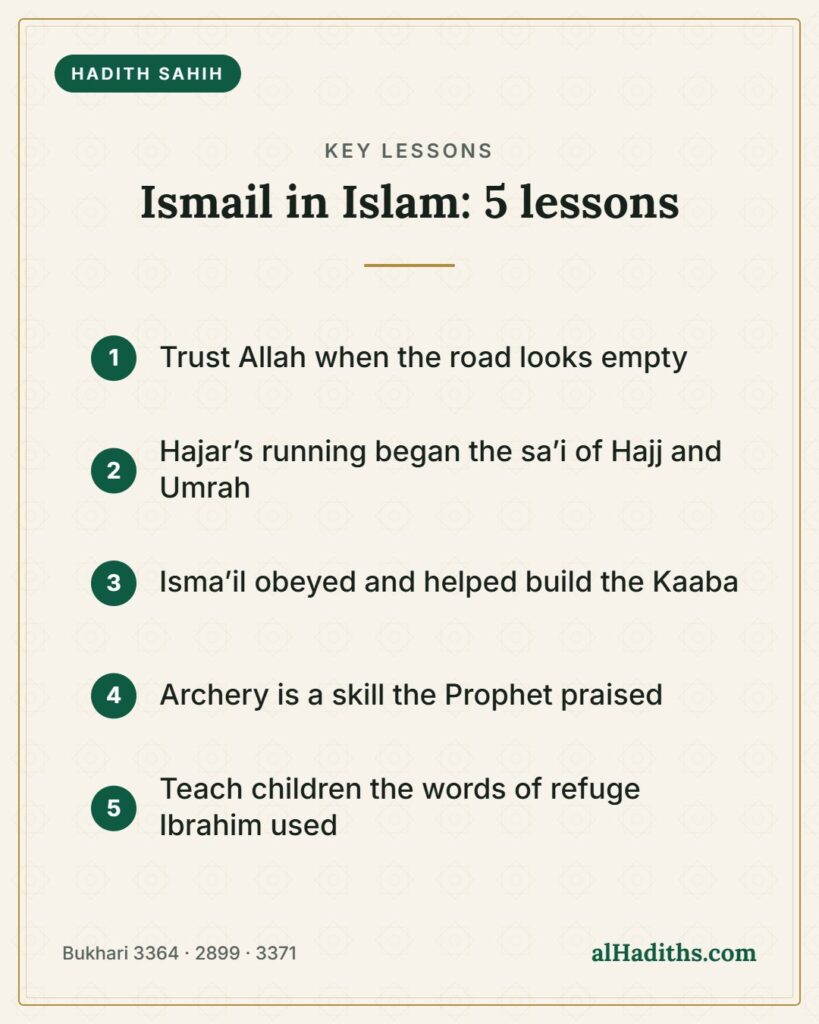
- Trust in Allah is not passive: Hajar trusted, then ran seven times.
- The sa’i of Hajj and Umrah began with a mother searching for water for her child.
- Isma’il’s first answer to his father was “do what your Lord has commanded you”.
- The Prophet ﷺ praised archery as the skill of Isma’il.
- The words of refuge Ibrahim said over Isma’il are still ours to say over our children.
Part of our Prophets in the Hadith series: see all our articles on the prophets in one place.
Which of these scenes stays with you most: the mother in the valley, or the son saying “I will help you”? Hold on to it the next time Allah asks something hard of you.
Save this to Pinterest so you can remember Hajar’s trust and the story of Zamzam
Share the reward. Send this article to someone who needs it today — teaching a hadith or dua can become a lasting good deed for you, in shaa Allah.