Righteousness Is Good Character: Hadith 27 of an-Nawawi
Righteousness is good character (Sahih Muslim 2553a, Hadith 27 of an-Nawawi): what sin is, what “consult your heart” means, and how it is graded.
Righteousness is good character (Sahih Muslim 2553a, Hadith 27 of an-Nawawi): what sin is, what “consult your heart” means, and how it is graded.
The charity for every joint hadith (Bukhari 2989, Hadith 26 of an-Nawawi): fairness, help, a good word, and two rak’ahs of Duha that suffice.
Every tasbih is charity (Sahih Muslim 1006, Hadith 25 of an-Nawawi): charity without money, from dhikr to good intentions, and how to live it.
“I have forbidden oppression for Myself”: the hadith qudsi of Abu Dharr (Sahih Muslim 2577a, Hadith 24 of an-Nawawi), its meaning and lessons.
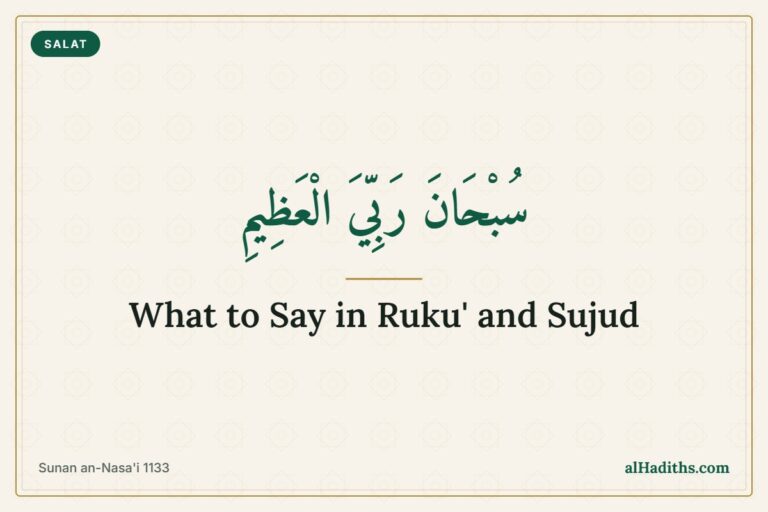
What the Prophet ﷺ said in ruku’ and sujud: Subhana Rabbiyal ‘Azim and Subhana Rabbiyal A’la (Sunan an-Nasa’i 1133). Arabic, meaning and how many times.
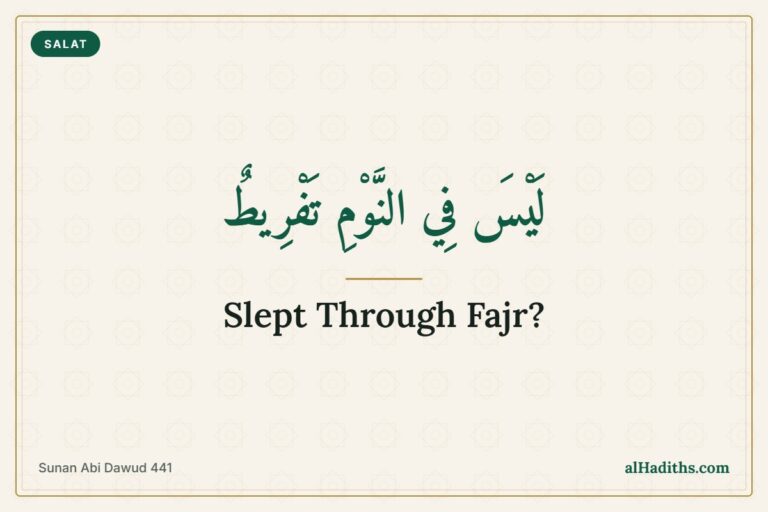
Slept through Fajr? The Prophet ﷺ and his Companions once did too. What he did next, why sleep isn’t negligence, and how to make up Fajr (Abu Dawud 443).
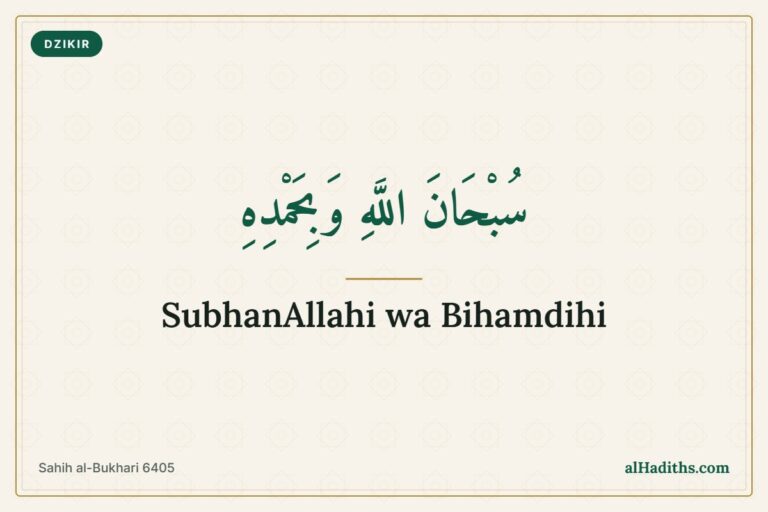
Say SubhanAllahi wa bihamdihi 100 times a day and your sins are forgiven, even if like sea foam (Sahih al-Bukhari 6405). Meaning and how to practise.
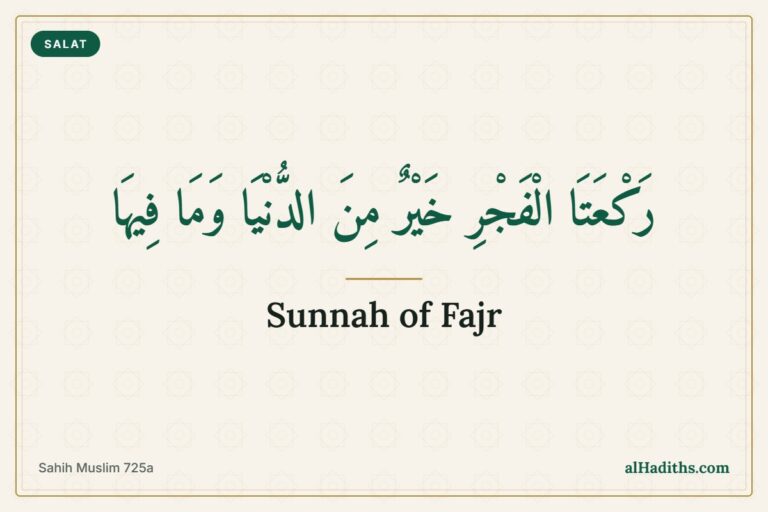
The sunnah of Fajr is better than the world and all it contains (Sahih Muslim 725a). How the Prophet ﷺ prayed these two rak’ahs and how to keep them.
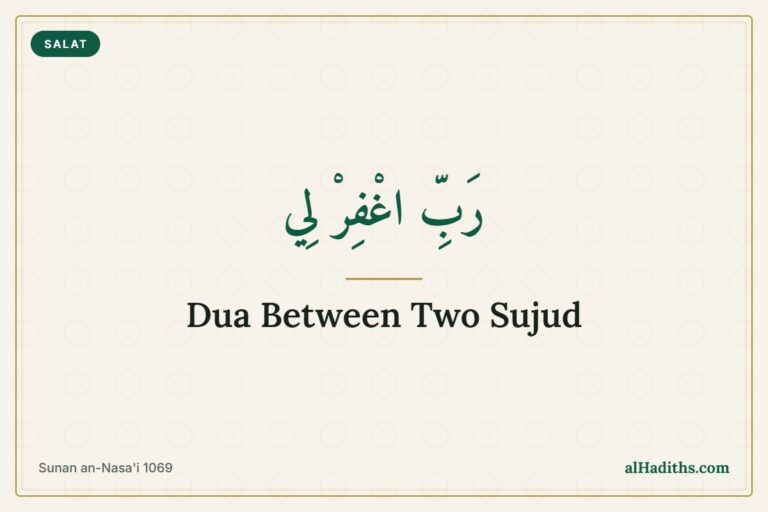
The dua between two sujud is Rabbighfirli, Rabbighfirli (Sunan an-Nasa’i 1069). Arabic, meaning, the authentic longer version and how to practise it.